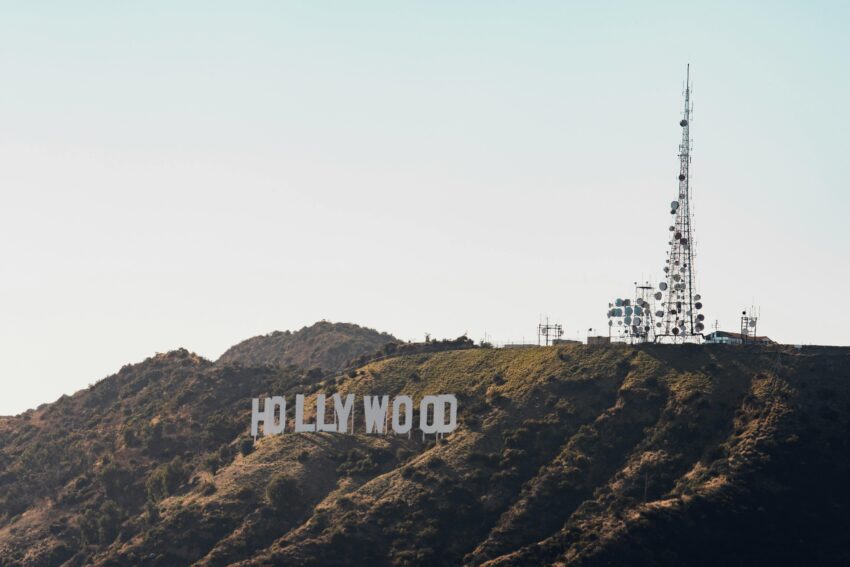
Behind every great Hollywood film stands a visionary director whose creative choices shape how audiences experience stories on screen. These talented filmmakers don’t just point cameras at actors; they orchestrate every element of production to create cohesive artistic visions that entertain, challenge, and inspire viewers. Understanding the greatest Hollywood directors and their signature works reveals how individual creative voices have defined cinema across generations. From pioneering innovators to contemporary masters, these directors have left permanent marks on film history through their most celebrated achievements.
The Master of Suspense
Alfred Hitchcock earned his title as the Master of Suspense through decades of creating psychological thrillers that kept audiences on the edge of their seats. His 1960 masterpiece, Psycho, revolutionized horror cinema with its shocking narrative twists and disturbing exploration of split personality. The famous shower scene, combining rapid editing and Bernard Herrmann’s shrieking violins, became one of cinema’s most iconic moments. Hitchcock understood that what audiences imagine is often more terrifying than what they see, using suggestion and psychological tension rather than explicit gore.
Vertigo, released in 1958, initially received mixed reviews but has since been recognized as Hitchcock’s masterpiece and one of cinema’s greatest films. The psychological thriller starring James Stewart explored themes of obsession, identity, and manipulation through innovative camera techniques and dreamlike sequences. Hitchcock’s ability to make audiences complicit in his protagonists’ darker impulses created uncomfortable yet compelling viewing experiences that influenced thriller filmmaking forever.
The Architect of Blockbusters
Steven Spielberg has dominated Hollywood for five decades, creating both massive commercial hits and critically acclaimed dramas. Jaws, in 1975, invented the summer blockbuster model while delivering a masterclass in suspense filmmaking. Spielberg’s decision to minimize showing the mechanical shark, due to technical problems, accidentally created more effective tension through suggestion. The film’s success changed Hollywood’s release strategies and proved that genre films could generate unprecedented box office returns.
Schindler’s List from 1993 showed Spielberg’s range beyond popcorn entertainment, earning him the Best Director Oscar for this powerful Holocaust drama. The black and white cinematography gave the film documentary authenticity while Liam Neeson’s portrayal of Oskar Schindler examined how ordinary people can perform extraordinary acts of courage. Spielberg balanced historical horror with individual heroism, creating an educational experience that also worked as compelling cinema.
The Visionary Auteur
Stanley Kubrick created films across multiple genres, each demonstrating meticulous attention to detail and uncompromising artistic vision. 2001: A Space Odyssey from 1968 revolutionized science fiction cinema with its scientifically accurate depiction of space travel and philosophical exploration of human evolution. The film’s deliberate pacing and minimal dialogue created a contemplative experience unlike typical Hollywood fare. Kubrick’s collaboration with special effects artists created groundbreaking visuals that remain impressive decades later, influencing every science fiction film that followed.
The Shining in 1980 transformed Stephen King’s novel into a psychological horror masterpiece that emphasized atmosphere and dread over jump scares. Kubrick’s use of Steadicam technology to create smooth, gliding shots through the Overlook Hotel’s corridors produced an unsettling effect that made the building itself feel alive and malevolent. Jack Nicholson’s increasingly unhinged performance, combined with Kubrick’s precise compositions, created horror through psychological breakdown rather than supernatural elements.
The Rebel Filmmaker
Francis Ford Coppola defined 1970s American cinema with films that challenged conventions and pushed artistic boundaries. The Godfather, in 1972, elevated gangster movies into serious artistic statements, examining family, power, and the American dream through the Corleone crime family. Coppola’s decision to cast Marlon Brando despite studio objections proved inspired, with Brando’s understated performance setting the tone for the entire film. The movie’s influence extends far beyond cinema into popular culture, with countless references and parodies testifying to its cultural penetration.
Apocalypse Now, from 1979, represented Coppola’s most ambitious and troubled production, with the Vietnam War epic nearly destroying him financially and mentally. The film’s journey up the river into madness created a hallucinatory war experience unlike conventional military movies. The famous helicopter attack scene set to Wagner’s “Ride of the Valkyries” became an indelible image of war’s surreal horror. Despite production nightmares, Coppola created a masterpiece that captured Vietnam’s psychological toll on American soldiers.
The Genre Innovator
Martin Scorsese has crafted an incredible body of work exploring American life through various genres. Taxi Driver in 1976, created an unforgettable portrait of urban alienation and violence through Travis Bickle’s descent into madness. Robert De Niro’s intense performance, combined with Scorsese’s gritty New York cinematography, captured the city’s dangerous underbelly. The film’s ambiguous ending, questioning whether Travis is a hero ora villain, demonstrated Scorsese’s refusal to provide easy moral answers.
Goodfellas from 1990 redefined gangster cinema with its kinetic energy and insider perspective on organized crime. The famous Copacabana tracking shot, following Henry Hill through the nightclub’s back entrance in one continuous take, showcased Scorsese’s technical mastery while immersing audiences in the glamorous lifestyle. The film’s structure, rising through the criminal ranks before inevitable collapse, influenced countless crime dramas. Joe Pesci’s volatile performance earned him an Oscar and created one of cinema’s most frightening antagonists.
The Modern Epic Maker
Christopher Nolan has become the premier director of intelligent blockbusters that challenge audiences while delivering spectacular entertainment. The Dark Knight in 2008 elevated superhero cinema by treating comic book material with serious dramatic weight. Heath Ledger’s Oscar-winning performance as the Joker created a villain driven by chaos rather than simple greed or revenge. Nolan’s decision to shoot action sequences in IMAX created unprecedented visual scope for superhero films.
Inception from 2010 demonstrated Nolan’s ability to make complex, cerebral science fiction accessible to mainstream audiences. The film’s nested dream structure required careful attention but rewarded viewers with a mind-bending thriller about reality, memory, and guilt. Practical effects, including rotating corridor fights, combined with digital enhancements to create action sequences grounded in physical reality. The ambiguous ending sparked endless debate, showing that blockbusters could trust audiences to grapple with uncertainty.
The Technical Perfectionist
James Cameron has pushed technological boundaries while creating some of cinema’s biggest hits. Terminator 2: Judgment Day, in 1991, revolutionized CGI effects with the liquid metal T-1000 while maintaining emotional stakes through the relationship between Sarah Connor and her son. Cameron understood that technology should enhance rather than replace storytelling, using groundbreaking effects only when they served the narrative.
Avatar from 2009 represented Cameron’s most ambitious technical achievement, creating the world of Pandora through motion capture and 3D technology. The film’s environmental themes and simple story about indigenous resistance resonated globally, making it the highest-grossing film of all time for a decade. Cameron proved that technological spectacle and meaningful themes could coexist when a director maintains creative control over all production aspects.
The Tarantino Touch
Quentin Tarantino brought a unique voice to Hollywood with his encyclopedic film knowledge and distinctive dialogue. Pulp Fiction in 1994 revitalized independent cinema with its non-linear narrative and pop culture-saturated conversations. The film’s structure, weaving multiple stories together, influenced countless imitators, but few matched Tarantino’s skill at making seemingly mundane dialogue riveting. Samuel L. Jackson and John Travolta’s chemistry as hitmen discussing hamburgers before violence made the ordinary feel extraordinary.
Django Unchained, in 2012, showcased Tarantino’s genre-blending approach, creating a Western that examined slavery’s brutal reality through entertaining genre filmmaking. Christoph Waltz’s Oscar-winning performance as Dr. King Schultz provided moral center while Tarantino’s signature violence served to emphasize slavery’s horror rather than exploit it for entertainment.
Conclusion
The top Hollywood directors share a commitment to creative vision that elevates their films beyond mere entertainment into art. Whether Hitchcock’s psychological manipulation, Spielberg’s crowd-pleasing spectacle, Kubrick’s meticulous perfectionism, or Nolan’s intelligent blockbusters, these filmmakers demonstrate that individual artistic voices matter in a collaborative medium like cinema. Their most famous movies don’t just showcase technical skill but reveal distinctive worldviews and storytelling approaches that make their work instantly recognizable. As new directors emerge with fresh perspectives, they build upon the foundations these masters established, ensuring that cinema continues evolving while honoring the achievements of those who defined what great filmmaking means.