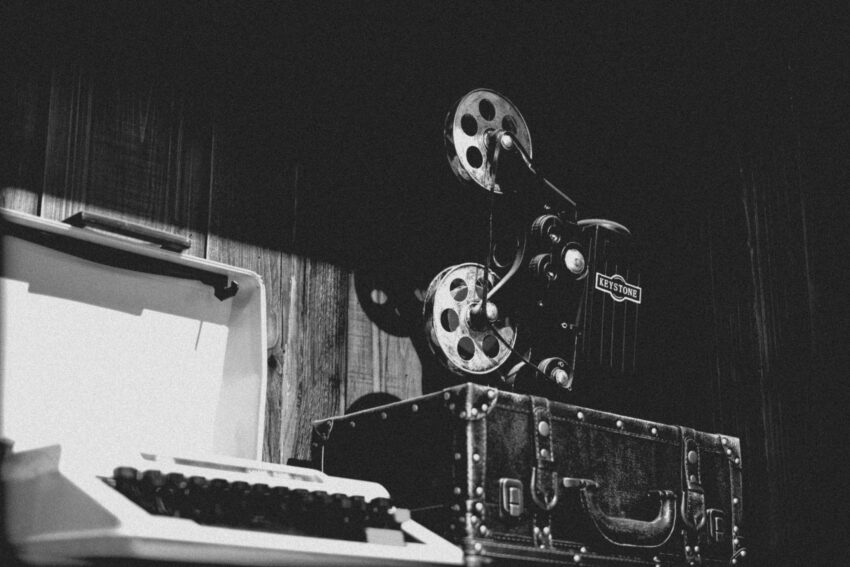
Hollywood’s transformation from a quiet California neighborhood into the global epicenter of filmmaking represents one of the most remarkable cultural developments of the twentieth century. The evolution of cinema mirrors technological progress, changing social values, and shifting audience expectations across more than a century of storytelling. Understanding Hollywood’s journey from silent films to modern blockbusters reveals how innovation, artistry, and business combined to create an entertainment industry that shapes popular culture worldwide. This fascinating history shows how filmmakers continuously pushed boundaries to tell increasingly sophisticated stories through an ever-evolving medium.
The Birth of Hollywood and Silent Cinema
Hollywood’s story began in the early 1900s when filmmakers from New York and New Jersey sought better weather and varied landscapes for shooting. Southern California offered year-round sunshine, diverse geography from mountains to beaches, and distance from Thomas Edison’s patent enforcement agents who demanded fees for using film equipment. By 1915, the majority of American films were being produced in Hollywood, establishing the foundation for what would become the entertainment capital of the world.
Silent films dominated cinema from the 1890s through the late 1920s, telling stories purely through visual imagery, physical performance, and occasional title cards. D.W. Griffith pioneered many techniques still used today, including close-ups, fade-outs, and cross-cutting between simultaneous actions. His 1915 film The Birth of a Nation, despite its deeply racist content, demonstrated that feature-length films could tell complex stories and generate massive profits. This success convinced studios that movies could be serious business rather than just carnival novelties.
The Star System Emerges
Silent cinema created the first movie stars, transforming unknown actors into celebrities whose faces sold tickets. Charlie Chaplin became the most recognized person on Earth through his Little Tramp character, combining comedy with pathos in films that transcended language barriers. Mary Pickford, Douglas Fairbanks, and Rudolph Valentino became household names, demonstrating that audiences cared about the performers as much as the stories. Studios realized they could build entire marketing campaigns around star power, establishing a pattern that continues today.
Buster Keaton and Harold Lloyd pushed the boundaries of physical comedy with increasingly dangerous stunts captured on camera. Their willingness to risk injury for entertainment created spectacular sequences that amazed audiences. The expressive faces and exaggerated gestures required for silent acting created a performance style quite different from later naturalistic approaches, but the best silent actors could convey complex emotions without speaking a word.
The Revolution of Sound
The Jazz Singer in 1927 marked the end of the silent era by introducing synchronized sound. When Al Jolson spoke the line “You ain’t heard nothin’ yet,” he wasn’t exaggerating. Within three years, silent films virtually disappeared as studios rushed to convert theaters and production facilities for sound. This technological revolution destroyed some careers while creating others, as actors with strong voices thrived while those with thick accents or unpleasant speaking voices found themselves unemployable.
Sound transformed how films could tell stories, adding dialogue, sound effects, and music that enhanced emotional impact. Early sound films often felt stage-bound as primitive recording equipment required actors to stay close to hidden microphones. As technology improved, filmmakers regained the freedom of movement that silent cinema had achieved, now enhanced by the additional storytelling dimension of sound.
The Golden Age Begins
The 1930s and 1940s are often called Hollywood’s Golden Age, when the studio system reached its peak. Five major studios dominated production, distribution, and exhibition, controlling everything from which films got made to where they screened. This vertical integration allowed studios to guarantee profits while maintaining strict control over content and talent. Studios kept actors, directors, and writers under long-term contracts, essentially owning their careers.
This era produced some of cinema’s most enduring classics. Gone with the Wind and The Wizard of Oz, both from 1939, showcased Technicolor’s ability to create visual spectacle. Casablanca became the template for romantic dramas, while Citizen Kane revolutionized cinematography and narrative structure. Genre films flourished, with westerns, musicals, gangster films, and screwball comedies providing audiences with escapism during the Great Depression and World War Two.
Post-War Changes and New Challenges
Television’s emergence in the late 1940s and 1950s threatened Hollywood’s dominance of entertainment. Studios responded by emphasizing what television couldn’t provide: massive spectacle, color, and theatrical experience. Wide-screen formats like CinemaScope and VistaVision created images too large for small screens. Epic films like Ben-Hur and The Ten Commandments offered visual grandeur that justified leaving home and paying admission.
The 1948 Supreme Court decision in United States v. Paramount Pictures ended the studio system’s vertical integration, forcing studios to divest their theater chains. This antitrust ruling fundamentally changed Hollywood’s business model, as studios could no longer guarantee exhibition for their films. The change gradually eroded the studio system’s power, though the transition took decades to fully manifest.
The Rise of Method Acting and New Realism
Acting styles evolved dramatically in the 1950s as method acting, emphasizing psychological realism and emotional truth, challenged the more theatrical approaches of earlier decades. Marlon Brando’s performance in A Streetcar Named Desire and On the Waterfront demonstrated a raw, naturalistic intensity that felt revolutionary. James Dean and Montgomery Clift followed similar approaches, creating performances that felt more authentic than the polished star personas of Hollywood’s golden age.
This new realism extended beyond acting to subject matter. Films began tackling controversial topics like drug addiction, racism, and sexual desire with greater frankness. While the Production Code still censored explicit content, filmmakers found ways to address adult themes through suggestion and implication. This gradual loosening of restrictions laid the groundwork for the more permissive era that followed.
The New Hollywood Revolution
The late 1960s and 1970s brought revolutionary changes as young filmmakers trained in film schools rather than studio apprenticeships challenged Hollywood conventions. Directors like Francis Ford Coppola, Martin Scorsese, Steven Spielberg, and George Lucas created personal films that reflected contemporary concerns while employing sophisticated cinematic techniques. The Godfather, Taxi Driver, Jaws, and Star Wars redefined what American cinema could achieve artistically and commercially.
This era also saw the end of the Production Code and the introduction of the MPAA rating system in 1968. Films could now show violence, sexuality, and adult content previously forbidden, leading to more mature and diverse storytelling. Easy Rider and Bonnie and Clyde captured the counterculture spirit while demonstrating that low-budget films could generate massive profits.
The Blockbuster Model Emerges
Jaws in 1975 created the modern blockbuster template through wide release, saturation advertising, and merchandise tie-ins. Star Wars, two years later, perfected this model, generating revenue streams beyond just ticket sales through toys, music, and licensing. These films proved that properly marketed event movies could dominate popular culture and generate unprecedented profits. Studios increasingly focused on potential blockbusters rather than mid-budget films, fundamentally altering Hollywood’s priorities.
The success of these films also demonstrated the growing importance of special effects and spectacle. Audiences wanted experiences that justified theatrical viewing rather than waiting for television broadcasts. This emphasis on visual spectacle would only intensify as technology advanced.
The Digital Revolution
The 1990s brought digital technology that transformed filmmaking at every stage. Computer-generated imagery, pioneered in films like Jurassic Park and Toy Story, expanded creative possibilities beyond practical effects. Digital cameras eventually replaced film stock, while digital editing provided unprecedented control over the final product. These changes democratized filmmaking to some degree, as equipment became more affordable and accessible.
The Marvel Cinematic Universe, beginning with Iron Man in 2008, represented the ultimate evolution of franchise filmmaking. By planning interconnected stories across multiple films and platforms, Marvel created a model that generated billions while maintaining audience engagement across years. This approach influenced how studios think about intellectual property and long-term planning.
Streaming Changes Everything
The rise of streaming services in the 2010s disrupted traditional theatrical distribution. Netflix, Amazon, and Disney+ began producing films that bypassed theaters entirely or received limited releases. The COVID-19 pandemic accelerated this shift, raising questions about cinema’s future. Major studios reorganized around streaming platforms while theaters struggled to attract audiences back after lockdowns ended.
Despite these challenges, theatrical cinema survives because certain experiences demand big screens and communal viewing. Films like Top Gun: Maverick and Avatar: The Way of Water proved that audiences will still come to theaters for the right movies, suggesting cinema’s obituaries remain premature.
The Diversity Revolution
Modern Hollywood increasingly recognizes the need for diverse voices and stories that reflect audience demographics. Films like Black Panther, Crazy Rich Asians, and Parasite demonstrated that diverse casts and perspectives could achieve both critical and commercial success. The conversation around representation extends beyond race to include gender, sexuality, disability, and other marginalized identities that Hollywood historically ignored or stereotyped.
This ongoing transformation represents an unfinished revolution, with progress occurring alongside continued inequities. The industry grapples with how to honor its history while acknowledging that history’s failures and exclusions. Future Hollywood must balance preserving cinema’s artistic legacy while creating space for voices and stories previously denied platforms.
Conclusion
Hollywood movie history from silent films to modern cinema reveals constant evolution driven by technological innovation, artistic ambition, and changing cultural values. From Chaplin’s wordless comedy to Marvel’s interconnected universe, from hand-cranked cameras to computer-generated worlds, filmmakers have continuously discovered new ways to tell stories that entertain, challenge, and move audiences. Each era built upon previous achievements while responding to contemporary contexts, creating an art form that remains vital and relevant. As streaming, virtual reality, and artificial intelligence promise further transformations, Hollywood’s ability to adapt while maintaining cinema’s essential magic will determine whether this remarkable history continues for another century. The journey from silent films to modern blockbusters shows that while technology and business models change, the fundamental human desire for compelling stories told through moving images remains constant.