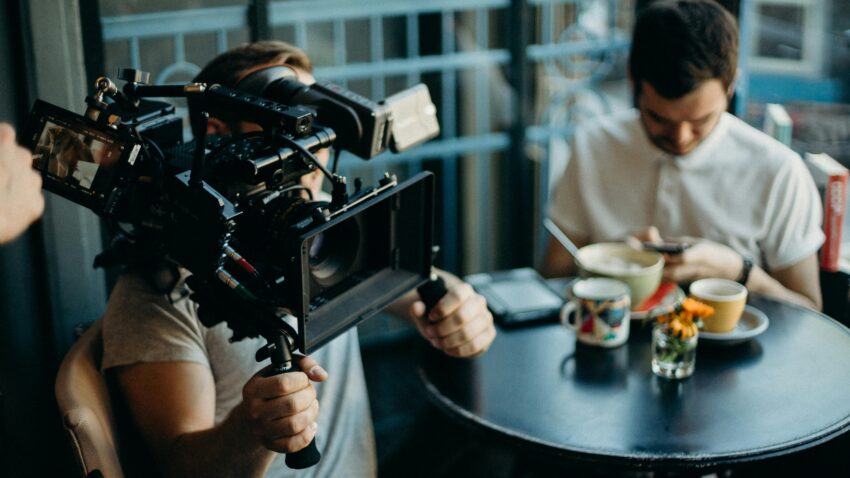
Creating a Hollywood movie is one of the most complex collaborative endeavors in modern entertainment. What appears as two hours of seamless storytelling on screen represents years of planning, months of filming, and countless hours of post-production work involving hundreds or even thousands of skilled professionals. Understanding how movies are made reveals the incredible artistry, technical expertise, and logistical coordination required to bring stories to life. From the initial spark of an idea to the moment audiences see the finished film in theaters, the movie-making process follows a carefully structured path that has evolved over cinema’s century-long history.
Development: Where Movies Begin
Every Hollywood movie starts with an idea that someone believes audiences will want to see. This development phase begins when a producer, screenwriter, or studio executive identifies a story worth telling, whether an original concept, an adaptation of existing material like a novel or comic book, or a remake of an earlier film. Producers often spend years acquiring rights to intellectual property, securing financing, and attaching key talent before a project moves forward.
The screenplay goes through multiple drafts during development, with writers refining dialogue, characters, and story structure based on feedback from producers, studio executives, and sometimes directors or stars. Some projects have single writers while others involve multiple writers working sequentially or even simultaneously. This revision process can take months or years as everyone works to ensure the script is ready for production.
Securing Financing and Green Light
Once a solid script exists, producers must secure financing to actually make the film. For major studio productions, this means convincing executives that the project will generate sufficient returns to justify its budget. Independent films require assembling financing from multiple sources, including production companies, private investors, tax incentives, and pre-sales to international distributors.
The budget determines everything from how many shooting days the production gets to which actors can be hired and what locations are feasible. A typical Hollywood blockbuster might cost 100 to 300 million dollars, while independent films often work with budgets under 10 million. When all financing is secured and key creative team members are attached, the studio or financiers give the project a green light to move into pre-production.
Pre-Production: Planning Every Detail
Pre-production transforms the screenplay from words on pages into detailed plans for actual filming. This crucial phase typically lasts several months and involves hundreds of decisions that will determine how smoothly production runs. The director works with department heads to establish the visual style, tone, and practical approach to filming each scene.
Casting directors conduct extensive auditions to find the right actors for every role, from leads to small supporting parts. For major roles, the casting process might take months as actors audition, screen test, and negotiate contracts. Chemistry reads between potential co-stars to help ensure that key relationships will work on screen. Background casting continues throughout production as thousands of extras may be needed for various scenes.
Building the Visual Blueprint
The production designer collaborates with the director to create the film’s visual world through sets, locations, props, and overall aesthetic. Location scouts photograph potential filming sites while art directors design sets to be built on soundstages. Every location and set must work both practically for filming and artistically for the story.
The cinematographer determines the visual approach, including camera types, lenses, lighting styles, and color palettes that will define the film’s look. Storyboard artists create frame-by-frame drawings of complex sequences, essentially creating a comic book version of the movie that helps everyone visualize how scenes will be shot. For action-heavy films or those with extensive visual effects, pre-visualization teams create computer-animated versions of entire sequences.
Principal Photography: Lights, Camera, Action
Principal photography is when the actual filming happens, typically lasting between thirty to one hundred twenty days, depending on the project’s scope and budget. Each shooting day follows a carefully planned schedule that maximizes efficiency while maintaining creative quality. Call times often start before sunrise, with crew members arriving hours before actors to prepare equipment, dress sets, and finalize lighting.
The director works with actors to shape performances while coordinating with the cinematographer on framing and camera movement. The first assistant director manages the practical flow of the day, ensuring scenes are shot on schedule. Script supervisors track continuity details to ensure everything matches between shots filmed hours, days, or weeks apart. The complexity of coordinating dozens of crew members, expensive equipment, and temperamental elements like weather or daylight makes each shooting day a logistical achievement.
The Hierarchy of Set
A film set operates under clear hierarchies that allow hundreds of people to work efficiently. The director provides creative vision while assistant directors handle logistics and scheduling. The cinematographer leads the camera and lighting crews. The production designer oversees the art department, set decoration, and construction. Sound mixers capture dialogue and ambient sound. Hair, makeup, wardrobe, props, and numerous other specialized departments each contribute essential elements.
Major actors often have entourages including personal assistants, stand-ins, and sometimes acting coaches. Stunt coordinators choreograph and film dangerous sequences using skilled stunt performers who double for actors. For effects-heavy scenes, visual effects supervisors work on set to ensure what’s filmed can be enhanced with computer graphics in post-production.
Post-Production: Creating the Final Film
After principal photography wraps, post-production begins the long process of transforming raw footage into a finished movie. The editor assembles a first cut following the script, selecting the best takes and arranging them into a coherent narrative. The director works closely with the editor through multiple revisions, refining pacing, performance, and story flow. A typical blockbuster generates hundreds of hours of footage that must be condensed into a two-hour film.
Sound design adds layers of audio beyond the dialogue recorded on set. Sound designers create or source every sound effect from footsteps to explosions, building rich audio environments that immerse audiences. Foley artists recreate everyday sounds like clothing rustling or doors closing in specialized studios. Composers create original music scores that enhance emotional impact, recording with orchestras that can involve a hundred musicians or more.
Visual Effects and Color Grading
Modern Hollywood films rely heavily on visual effects, from subtle enhancements that audiences never notice to spectacular sequences featuring digital creatures or environments. Visual effects artists work for months creating computer-generated imagery that integrates seamlessly with filmed footage. Even dialogue scenes might have digital work removing safety equipment, erasing modern elements from period settings, or perfecting actors’ appearances.
Color grading adjusts the look of every shot, ensuring visual consistency and enhancing mood. Colorists work with directors to create specific looks, whether the gritty realism of war films or the stylized palettes of fantasy adventures. This digital color correction can dramatically transform how scenes feel, turning day into night or creating otherworldly atmospheres.
Final Steps Before Release
Test screenings with recruited audiences help studios gauge audience reactions and identify problems. Based on feedback, films might undergo additional editing, reshoots, or score changes. Marketing departments create trailers, posters, and promotional campaigns designed to generate awareness and excitement. Distribution teams negotiate with theater chains about screen counts and premiere dates.
The Motion Picture Association assigns ratings based on content, which affects marketing and potential audience. Studios coordinate premiere events, press junkets where actors give interviews, and social media campaigns. For major releases, this marketing push can cost as much as the production itself, reflecting how crucial promotion is to box office success.
The Collaborative Art Form
What makes filmmaking unique among art forms is the massive collaboration required. Unlike novels written by single authors or paintings created by individual artists, movies demand hundreds of specialists contributing their expertise. A great film requires not just talented directors and actors but also skilled cinematographers, editors, sound designers, costume designers, and countless others working in harmony toward a shared vision.
Technology has changed how movies are made, with digital cameras replacing film, computer effects expanding creative possibilities, and editing software providing unprecedented control. Yet the fundamental process of developing stories, planning productions, filming scenes, and refining results in post-production remains largely unchanged since Hollywood’s golden age.
Conclusion
Understanding how Hollywood movies are made reveals the incredible complexity behind entertainment that audiences often take for granted. From development through post-production, each phase requires specialized skills, artistic vision, and meticulous attention to detail. The process combines creative artistry with industrial efficiency, business savvy with technical innovation. While the specific techniques and technologies continue evolving, the collaborative nature of filmmaking remains constant, with hundreds of talented individuals contributing their expertise to create stories that entertain, inspire, and move audiences worldwide. The next time you watch a Hollywood movie, remember that every frame represents countless hours of work by dedicated professionals who transformed a simple idea into the magical experience of cinema.